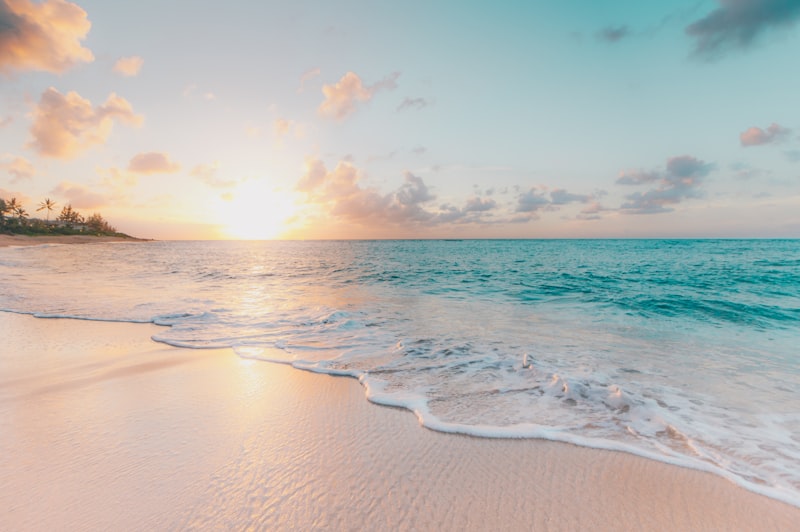
Tamarindo Main Beach
This is where most people surf for the first time in Costa Rica — and one of the best places to take a surf lesson anywhere in Central America. The main beach break is wide, forgiving, and produces small, rolling whitewater waves that are perfect for learning to pop up. Sandy bottom means wipeouts are low-consequence.
On a typical dry season day, expect waist-to-chest-high waves with a gentle push. The south end near the rivermouth has slightly more shape but also more current — stick to the middle section if you're brand new.
Best at: Mid to high tide | Crowd: High in peak season
Local tip: Surf schools dominate the lineup 8–11am. Want more space? Go out in the afternoon.
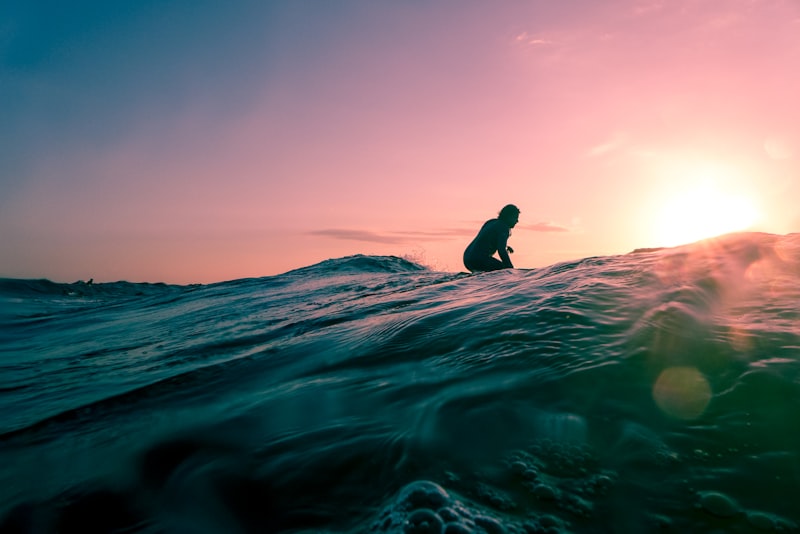
Playa Langosta — The Step Up
Walk a kilometer south of Tamarindo and you hit Langosta — a completely different animal. Where the main beach gives gentle rollers, Langosta delivers faster, more powerful waves that break off the rocky point at the Río San Francisco river mouth.
The main break is a right-and-left point break that comes up fast and can produce solid barrels on bigger swells. The "Sapo" (Toad) break on the north side offers larger swells with fewer people.
Best at: Mid tide with south swell | Bottom: Rock and sand
Getting there: 15-minute walk south from Tamarindo Main Beach, or 3-minute drive.
Why it works: The walk filters out the surf-school crowd. The wave keeps beginners honest.
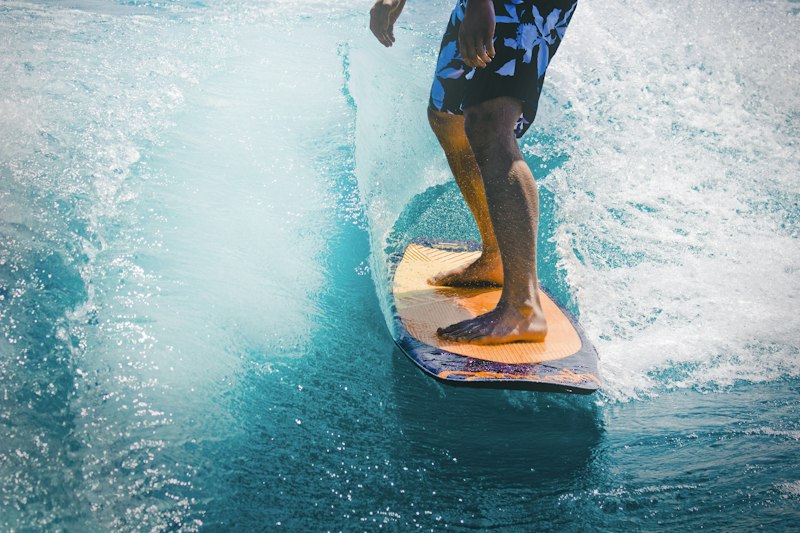
Pico Grande & Pico Pequeño — The Hidden Power
Right in the center of Tamarindo — about 150 meters south of the main beach break — sits a reef setup that most tourists walk right past. Pico Grande breaks over a lava thumb reef, producing powerful, wedging peaks that hold chest-high to well-overhead surf. When a solid SW or NW swell hits, this is where the experienced locals go.
Just inside Pico Grande, the wave refracts into Pico Pequeño — a reforming A-frame wedge that's more manageable but still demands board control and wave-reading ability. Think of it as the proving ground before you graduate to the outside.
Best at: Mid to high tide, SW swell (215°–230°) or NW swell (280°–300°) | Bottom: Rock/reef
Peak months: July–August when south swells are consistent | Best board: Shortboard or fish
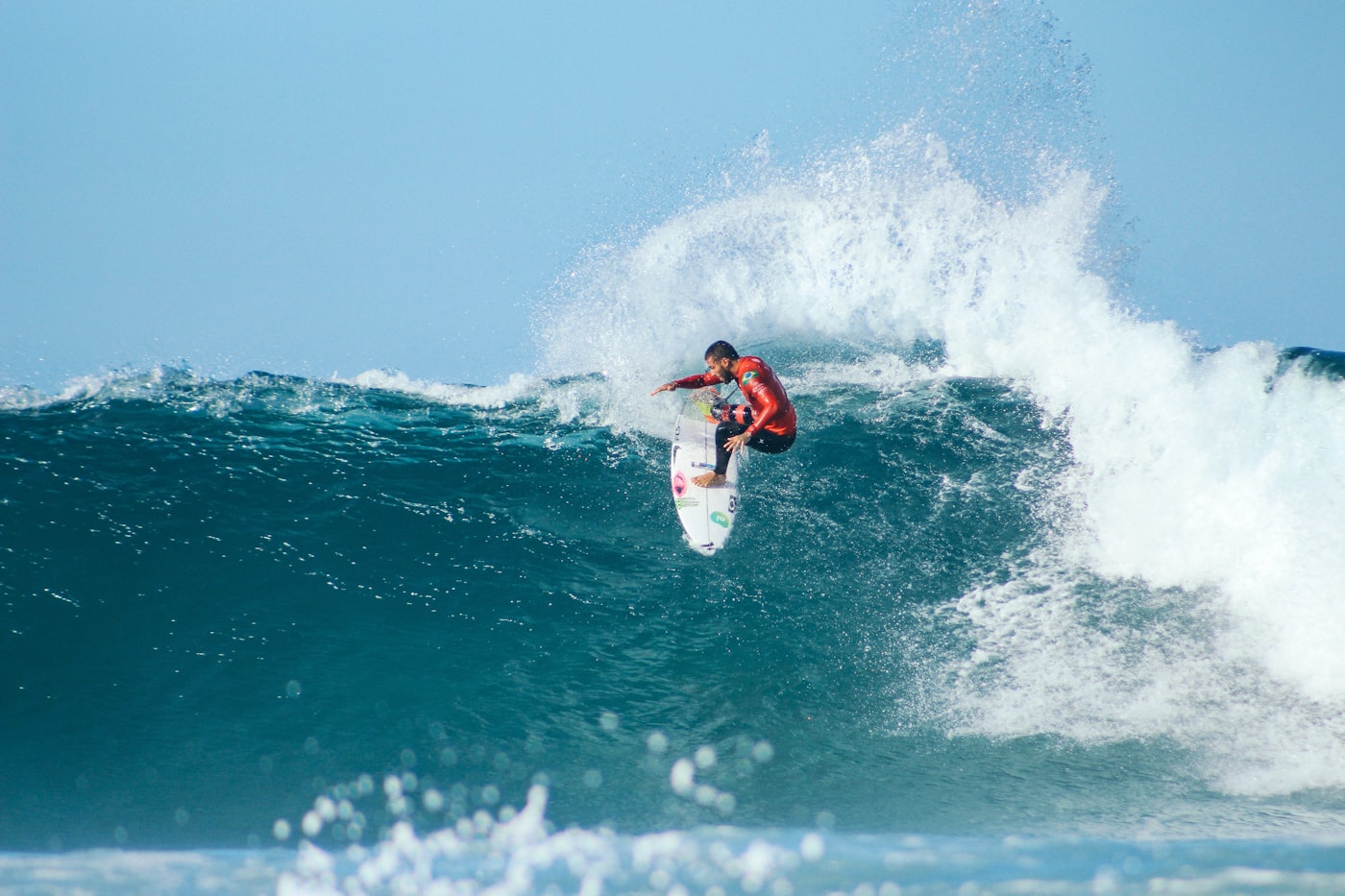
Playa Grande — Wide Open Power
Across the estuary from Tamarindo — visible from town but reached by a short boat ride or 20-minute drive. Part of Las Baulas National Marine Park (famous for leatherback turtle nesting), Grande is a wide, exposed beach that catches more swell than Tamarindo proper.
On a good day, Grande delivers overhead beach break peaks with more power and speed. The "Casitas" section at the southern end is more mellow — open faces, moderate speed, sandy bottom. The northern sections can get heavy.
Best at: Any swell direction, mid tide | Crowd: Low to moderate
Getting there: 20-minute drive via Huacas, or short boat ride across the estuary (~$2).
Bonus: Inside a national park — minimal development, wild beach, more space.
Playa Avellanas — Little Hawaii
Twenty minutes south by car, Avellanas is one of the most versatile waves in Guanacaste. Locals call the main break "Little Hawaii" — on a pumping south swell, you'll understand why. Fast, hollow, barreling waves that hold well overhead.
But Avellanas is moody. On smaller days, it produces fun, peeling waves that intermediates handle fine. The Palo Seco section is gentler for progressing beginners. Check with locals or watch from the beach before paddling out.
Best at: Southwest swell, mid tide | Getting there: 20-minute drive south via Route 155.
Don't miss: Post-surf ceviche at Lola's (yes, the one with the pigs).
Playa Negra — The Reef
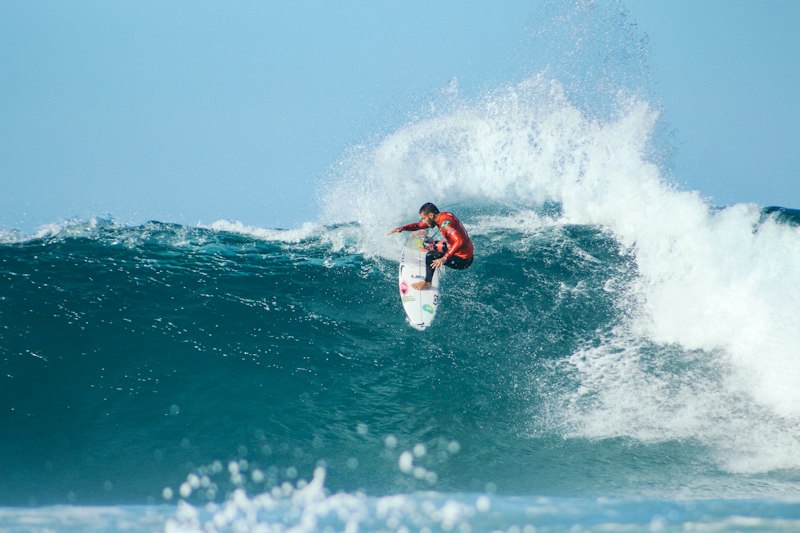
Just past Avellanas, Playa Negra is a world-class right-hand reef break featured in surf magazines for decades. It's fast, hollow, and the reef is shallow enough that you'll see sea urchins between sets.
When Negra is firing — typically on a solid south or southwest swell — it produces perfect, mechanical barrels that peel for 100+ meters along the reef. The takeoff zone is tight and the locals know every section.
Best at: SW swell, 4–8ft, mid tide | Warning: Low tide is dangerously shallow
Getting there: 25-minute drive south, just past Avellanas.
Respect: The local crew is tight. Paddle out with awareness and wait your turn.

Playa Junquillal — The Quiet One
About 40 minutes south of Tamarindo, Junquillal is the opposite of the scene — a long, quiet stretch of sand with almost nobody on it. The beach break is mellow and consistent, producing small, clean waves that are ideal for families with kids or beginners who want space without the surf-school crowds.
The paddle-out is short (two minutes), the bottom is pure sand, and the wave reforms reliably on most tides. There's no nightlife, no board-rental huts on the beach, and that's exactly the point. Bring your own gear and enjoy having a Costa Rican surf break essentially to yourself.
Best at: Mid tide, small to moderate swell | Bottom: Sand
Getting there: 40-minute drive south via Route 155 past Avellanas and Playa Negra.
Who it's for: Families, progressing beginners, and anyone who values empty waves over Instagram-worthy barrels.
Witches Rock & Ollie's Point — The Bucket List
These two legendary breaks sit inside Santa Rosa National Park, about 40 minutes north of Tamarindo by boat. You can't drive there practically — the boat is the move.
🪨 Witches Rock (Roca Bruja)
A powerful beach break set against a dramatic rock formation. Works on most swell directions and can produce heavy, punchy waves. Exposed, raw, and unforgettable.
🌊 Ollie's Point
A long, perfect right-hand point break. When it's working, 200+ meter rides with long, glassy walls. Only breaks on larger swells — but when it does, it's arguably the best wave in Costa Rica.
Boat trips: $80–120/person. Book with a captain who checks conditions first. Best months: April–October. See our trip planning guide for booking tips.
📡 How to Read the Tamarindo Surf Forecast
Conditions change fast on the Guanacaste coast. Use this stack before you pick a spot:
🏄 Iguana Surf Daily Report
Best for: morning session planning. iguanasurf.net publishes a local written forecast every day — by people who actually paddle out here. Includes tide, wind, wave height, and which spots are best. This is your first stop, not a generic algorithm.
📱 Surfline / Magicseaweed (MSW)
Best for: trip planning 5–7 days out. Both apps have Tamarindo listed as a named break with swell charts, wind graphs, and crowd data. Surfline has premium HD cameras at select spots; MSW is free with solid swell direction accuracy. Download either before you leave home — Wi-Fi in remote spots can be unreliable.
🌊 surf-forecast.com
Best for: detailed swell window analysis. surf-forecast.com breaks down swell direction (degrees), period, and wind speed/direction in hourly charts. Especially useful for understanding whether a NW or SW swell will light up Playa Negra vs. Pico Grande — direction matters a lot on this coast.
🧭 Tide Timing Tip
Most Tamarindo-area breaks work best at mid tide — reef breaks get dangerous at low tide, and beachbreaks lose their shape at high tide. Download the Tide Chart — Pro app or check tideschart.com/costa-rica/tamarindo/ before you leave your accommodation. A 30-minute tide window can be the difference between a great session and a washout.

Marbella — The Heavy Hitter
About 30 minutes south of Tamarindo past Playa Negra, Marbella is a raw, powerful beach break that flies under most tourists' radar. A rock and reef formation roughly 500 meters offshore crosses up incoming swells, creating heavy A-frame peaks up and down the beach.
When a solid southwest or northwest swell fills in, Marbella produces some of the heaviest waves in Guanacaste Province. The lineup is uncrowded because the wave demands respect — fast drops, hollow sections, and unpredictable closeouts keep things honest.
Best at: Mid to high tide, SW or NW swell | Bottom: Rock/reef and sand
Getting there: 30-minute drive south, past Playa Negra.
Who it's for: Experienced surfers looking for power and solitude. Not a wave you stumble into — you drive here on purpose.
Practical Surf Info
🌡️ Water Temperature
- Dry season (Dec–Apr): 26–28°C (79–82°F)
- Green season (May–Nov): 27–30°C (81–86°F)
- Wetsuit needed? No — rash vest and boardshorts year-round
💰 Lesson Prices (2026)
- Group lesson (2 hrs): $45–65/person
- Semi-private (2–3 students): $85–120/person
- Private 1-on-1: $120–180/session
- Board + rash guard included in all lessons
🏄 Board Rentals
- Soft-top / foam board: $10–15/day
- Fiberglass shortboard: $15–25/day
- Longboard / funboard: $15–20/day
- Multi-day discounts at most shops
Quick Comparison by Level
🟢 Beginner Waves
- Tamarindo Main Beach — the starting line
- Playa Grande (Casitas section) — mellow, spacious
- Avellanas (small days) — fun and forgiving
- Junquillal — empty, sandy, family-perfect
🟡 Intermediate Waves
- Playa Langosta — the natural step up
- Playa Grande (north) — more power, still sandy
- Pico Pequeño — reform wedge, real wave-reading practice
- Avellanas (moderate swell) — testing your limits
- Witches Rock — bucket-list adventure
🔴 Advanced Waves
- Pico Grande — powerful reef peak right in town
- Playa Negra — world-class reef barrels
- Avellanas / Little Hawaii (big days) — fast and hollow
- Ollie's Point — the perfect right
- Marbella — heavy A-frames, uncrowded
- Langosta (big swell) — heavy and fast