The Two Seasons
Costa Rica has two seasons, and they both affect the surf in very different ways.
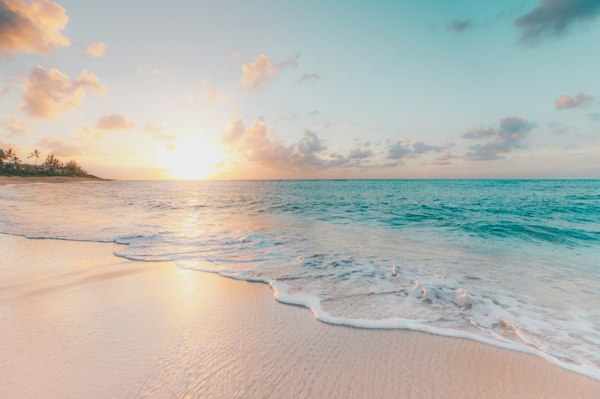
☀️ Dry Season — December to April
Best for Beginners
Smaller, cleaner waves. Offshore morning winds groom the surface. Almost no rain Jan–Mar. The classic tourist season — most crowded and expensive, but most consistent for clean, manageable surf.
Typical wave size: 2–4 feet at Tamarindo main beach. Bigger at Langosta and Avellanas on south swell pulses.
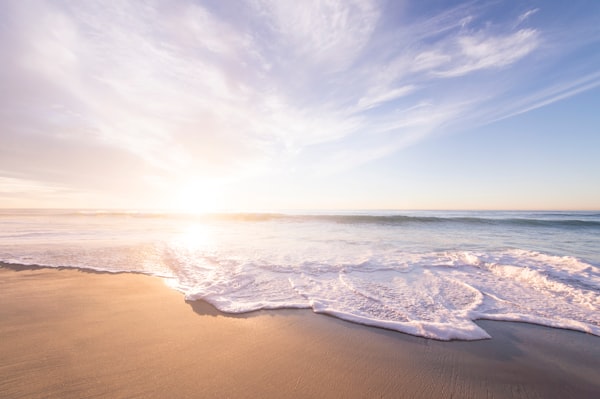
🌧️ Green Season — May to November
Best for Intermediate+
Bigger swells, more consistent surf, warmer water. South and southwest swells light up every break. Trade-off: afternoon rain, more onshore wind, occasional flat spells between swells.
Typical wave size: 3–8 feet depending on the break and swell. The best waves of the year happen now.
Month-by-Month Breakdown
January & February
Peak dry season. Offshore winds most mornings, blue skies, and small but clean waves at the main beach. Peak tourist season — crowded lineups and higher prices. Water temp around 80°F. The best months for learning to surf: consistent conditions, warm water, forgiving waves.
March & April
Tail end of dry season. Still offshore mornings, but swell picks up. March can be some of the best surf of the dry season — clean conditions with more energy. April gets warmer with occasional afternoon showers. Tourist crowds thin, prices drop, surf improves. A sweet spot month.
May & June
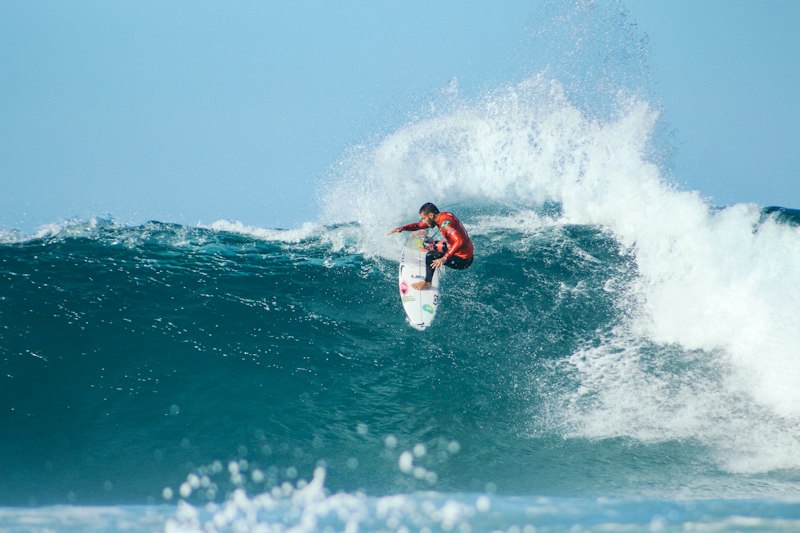
Green season begins. First south swells arrive — Avellanas, Langosta, and Playa Negra come alive. Rain starts, mostly afternoons — mornings are often still sunny and offshore. Fewer crowds, lower prices, better waves. Water temp climbs to 82–84°F. The intermediate surfer's window.
July & August
The "mini-summer" or veranillo. A brief dry spell within green season — swells stay consistent, rain eases up. The hidden gem window: good waves, less rain than June or September, green-season prices. Advanced surfers hit Witches Rock and Ollie's Point for some of the year's best waves.
September & October
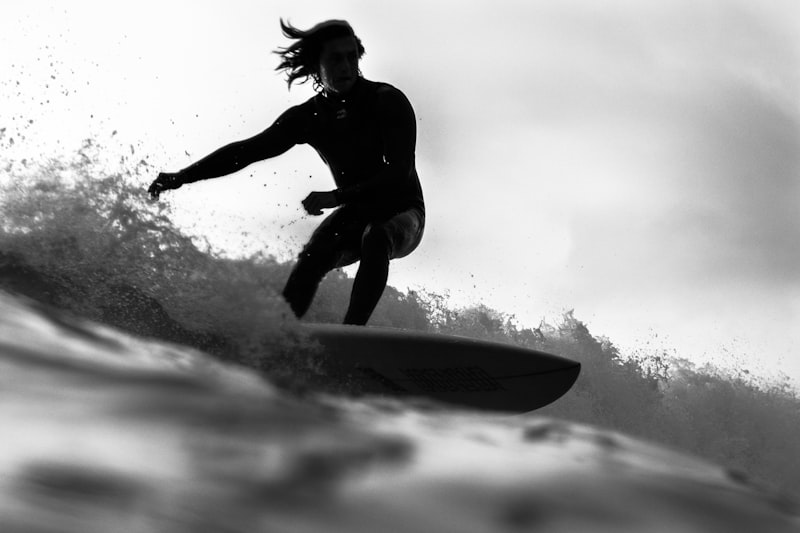
Peak rainy season and peak swell season. Overhead to double-overhead swells are common. Playa Negra and Avellanas produce world-class surf. Heavy afternoon downpours, roads can flood. But if you're experienced and don't mind rain — this is when the magic happens. Prices at their lowest. Lineups empty.
November & December
November is the transition: rains ease, swells taper, but plenty of energy remains. Great value, fewer crowds. December brings dry season back — waves clean up, winds go offshore, holiday crowds arrive. Late December (Christmas/New Year) is the busiest and most expensive week.
Tides & Wind Patterns
Tides in Tamarindo follow a semi-diurnal pattern with significant range — sometimes over 8 feet between low and high. This matters more than most guides tell you:
🔻 Low Tide
Most breaks get shallow and close out. Tamarindo main gets particularly gutless. Exception: Langosta can still have shape. Generally avoid.
⬆️ Mid Tide (Incoming)
The sweet spot. Waves have shape, depth is forgiving, currents manageable. Plan your sessions around incoming mid tide.
🔺 High Tide
Waves lose power and get fat. Beginners can still have fun, but push weakens. Some breaks like Playa Grande work better here.
Wind rule: Mornings are offshore (clean, groomed waves). Afternoon brings onshore chop. Dry season is more reliable. The universal rule: surf early.
When Should YOU Come?
🏄 First-Time Surfer
Come: December – April
Clean, small waves. Warm water. Lots of surf schools. You'll stand up on day one.
🌊 Intermediate Surfer
Come: April – June or November
Transition months give more wave energy without peak rainy season chaos. Better value, fewer crowds.
💪 Advanced Surfer
Come: July – October
Consistent overhead swells, world-class breaks, empty lineups. Bring a quiver.
💰 Budget Surfer
Come: May – November
Green season prices are 30–50% lower. Better waves, fewer people, more authentic Tamarindo.
Month-by-Month Surf Conditions
What to actually expect when you land, beyond the dry/green season dichotomy.
January–February: Peak Season Crowds, Small Clean Surf
This is when Tamarindo gets packed. Direct flights are full, hotels are booked, and the main beach is a circus of surf schools. Waves are small and clean — perfect for beginners, occasionally boring for experienced surfers. Water is 80–82°F. Mornings have glassy offshore winds that switch onshore by 11 AM. If you're coming in these months, book early and be prepared to share the lineup. Upside: Zero chance of rain, beautiful sunsets every single night.
March–April: Smaller Crowds, Dry Season Winds
The crowds thin out after spring break but conditions stay dry and reliable. Winds pick up in late March — strong offshore in the mornings that can blow you back up the face on smaller days. This is a great time for intermediate surfers to level up without battling peak-season chaos. Playa Negra and Avellanas start getting more consistent. The town empties out a bit, restaurants have space, and prices soften.
May–June: Green Season Starts, Swell Builds
The first rains arrive in May but it's not the downpour people imagine — quick afternoon showers that cool things off and clear out. Surf picks up noticeably. South swells start rolling in and breaks like Witches Rock, Ollie's Point, and Playa Negra come alive. This is when local surfers get excited. Prices drop 30–40%. You'll have waves to yourself. June is one of the most underrated months — consistent swell, warm water, green jungle, empty lineups.
July–August: Consistent Overhead, Veranillo Dry Spell
Peak green season surf. July and August bring the most consistent overhead waves of the year. South and southwest swells light up every reef and point break within range. Advanced surfers, this is your window. There's also a phenomenon called "veranillo" — a mini dry season in late July/early August where the rains pause for 2–3 weeks. You get big surf, warm weather, and nobody around. Locals call this the best-kept secret in Tamarindo.
September–October: Biggest Swells, Afternoon Rains
The wettest months bring the biggest waves. September especially can fire with huge south swells that close out the main beach but make Witches Rock and Ollie's Point absolutely epic. It rains most afternoons — plan your surf sessions for dawn. Humidity is high, jungle is lush, and the vibe is mellow. Budget travelers love this window. Experienced surfers who time it right score world-class waves with almost no one out.
November–December: Transition Back to Dry Season
November is the bridge month — rains taper off, crowds haven't arrived yet, and waves are still pumping from residual south swells. December marks the official return of dry season. North swells start showing up, smaller and cleaner. The town fills back up after Thanksgiving. This is a great shoulder season for intermediate surfers who want good waves without the January crowds. Christmas and New Year's get slammed — avoid unless you booked months ahead.
What About Hurricanes?
Tamarindo sits on Costa Rica's Pacific coast — well south of the Caribbean hurricane belt. Hurricanes that form in the Eastern Pacific rarely make landfall here and typically track west toward open ocean. That said, big storms passing offshore occasionally send massive swells that light up the entire coastline.
These hurricane swells are a blessing for experienced surfers — clean, powerful, long-period waves that can make spots like Ollie's Point and Witches Rock absolutely world-class. For beginners, hurricane swells can close out the main beach and make conditions too intense. The good news: you'll know days in advance if a big swell is coming, so you can plan accordingly or sit it out with a book and a beer.
Bottom line: Hurricanes are not a safety concern in Tamarindo. They're a surf forecast bonus.